


Knowing how to plant grass seed on hard dirt starts with understanding why hard dirt kills seed so fast. Bare. Baked. That describes most yards I have worked in.
Most people searching how to plant grass seed on hard dirt. have already tried once and watched nothing happen. I did the same thing my first summer. This post walks you through 7 steps, from soil testing to your first mow, in plain terms. Once you follow the prep steps correctly, germination rates improve fast.
Why Hard Dirt Makes how to plant grass seed on hard dirt. So Tricky
Compacted soil is the first problem. It happens when foot traffic or vehicles crush soil particles together, squeezing out the air and water channels roots need. Clay is different. Clay-dominant soil binds tightly at a particle level, so it drains poorly even in a yard nobody walks on.
, you need to name which problem you actually have, since each one needs a different fix. Compaction alone responds well to core aeration, because hollow tines pull plugs roughly an inch wide and open channels fast. Clay soil needs organic matter worked in, such as 2 to 4 inches of compost tilled to a depth of 3 to 6 inches. Stripped subsoil is the hardest case.
Read Your Soil Before Anything Else
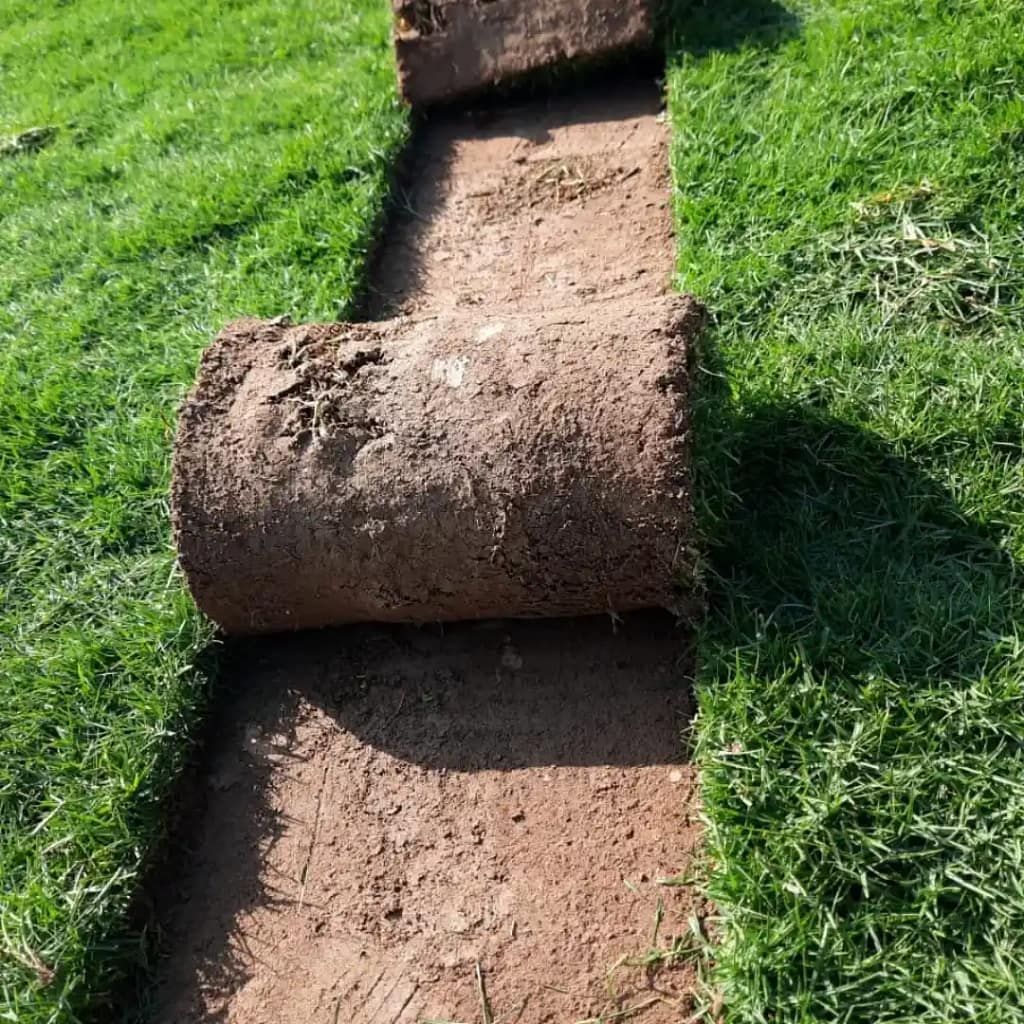
The dirt along my back fence looked baked solid. A strip roughly three feet wide had gone pale gray and cracked into plates. I pushed a screwdriver in and it stopped cold at about an inch. That told me more than any bag label ever could, because soil condition controls everything that comes next when you figure out how to plant grass seed on hard dirt.
0. Before you touch the surface, water deeply for two to three days. Then push a screwdriver straight down. If it slides to 6 to 8 inches without force, moisture is adequate and you can start working.
how to plant grass seed on hard dirt. Starts With Breaking Ground
Breaking ground the right way depends on what you are starting with. Existing lawns need a core aerator, not a tiller. Tilling a large established lawn causes uneven settling later, so aeration is the smarter call. I learned that the hard way on a patchy side yard that never leveled out after I tilled it.
Run the aerator twice. Make the second pass perpendicular to the first, since one pass alone leaves too much unbroken ground between the tine holes. The hollow tines pull plugs roughly 3 inches deep. Those channels let water and seed reach the root zone.
Bare ground is a different job entirely. Till 3 to 6 inches deep, then mix in 2 to 4 inches of compost or well-rotted manure worked to that same depth. This is also where you can fix pH if your soil test flagged it. Once the ground is open, you can actually think about how to plant grass seed on hard dirt.
Rake the tilled area to a fine tilth before you do anything else. Clods bigger than a marble will leave air pockets under the seed. New bare ground takes more work upfront, but it gives the seed the best possible start. Skip the prep and you are mostly feeding the birds.
Pest Notes
- Core aerate in fall for cool-season grasses such as tall fescue or Kentucky bluegrass, when soil temperature sits between 50 and 65 degrees Fahrenheit.
- Till bare ground only when soil is moist but not muddy. A screwdriver should slide in 6 inches without forcing it.
- After tilling, apply a starter fertilizer such as a 10-20-10 formulation at the bag rate before sowing seed. Some batches I have tested run low on phosphorus, so check the middle number on the label first.
- On builder’s lots with stripped topsoil, mix in at least 3 inches of compost since the exposed subsoil resists both roots and water.
- Avoid tilling large existing lawns because uneven settling creates low spots that collect water and stay bare.
- Leave aeration plugs on the surface. They break down in about 18 days under normal fall moisture and feed organic matter back into the soil.
Pick the Right Seed and Apply It Well

Seed selection is where most people shortcut, and it costs them. Pick the wrong species and even solid soil prep won’t save you. Cool-season grasses such as tall fescue and perennial ryegrass suit northern zones 4 through 7. Warm-season types like hulled Bermuda belong in zones 7 through 10, where soil stays above 65°F through summer.
Knowing how to plant grass seed on hard dirt. comes down to rate and contact. Sow tall fescue at 6 to 10 lbs per 1,000 sq ft, perennial ryegrass at 7 to 8 lbs, Kentucky bluegrass at 2 to 3 lbs, and hulled Bermuda at 1 to 2 lbs. After broadcasting, rake lightly or roll with a lawn roller so seed presses against the soil.
Garden Tip: After rolling, press one seed between your fingers. If it sits proud of the surface, roll again. Seed with an air gap underneath it will dry out before the root can anchor.
Seed at the Right Time for Your Grass
Soil temperature drives germination, not the air temperature on your weather app. I learned that the hard way after seeding tall fescue in late August when the soil was still hovering around 72°F. Cool-season grasses such as Kentucky bluegrass, tall fescue, and perennial ryegrass need 50 to 65°F soil, so late August through October is your window in zones 4 through 7. Warm-season types like Bermuda and Zoysia need soil at 65 to 80°F, since they simply sit dormant in cooler ground and rot.
Once you know how to plant grass seed on hard dirt., timing becomes the decision that saves or kills your whole effort. Cool-season seed sown before soil cools below 65°F will struggle, while seed sown after October risks frost before roots establish. Warm-season grasses belong in May through June in zones 7 through 10, after soil consistently reads above 65°F for at least a week. A cheap soil thermometer costs roughly five to ten dollars and tells you more than a month on the calendar ever will.
Feeding and Watering how to plant grass seed on hard dirt.
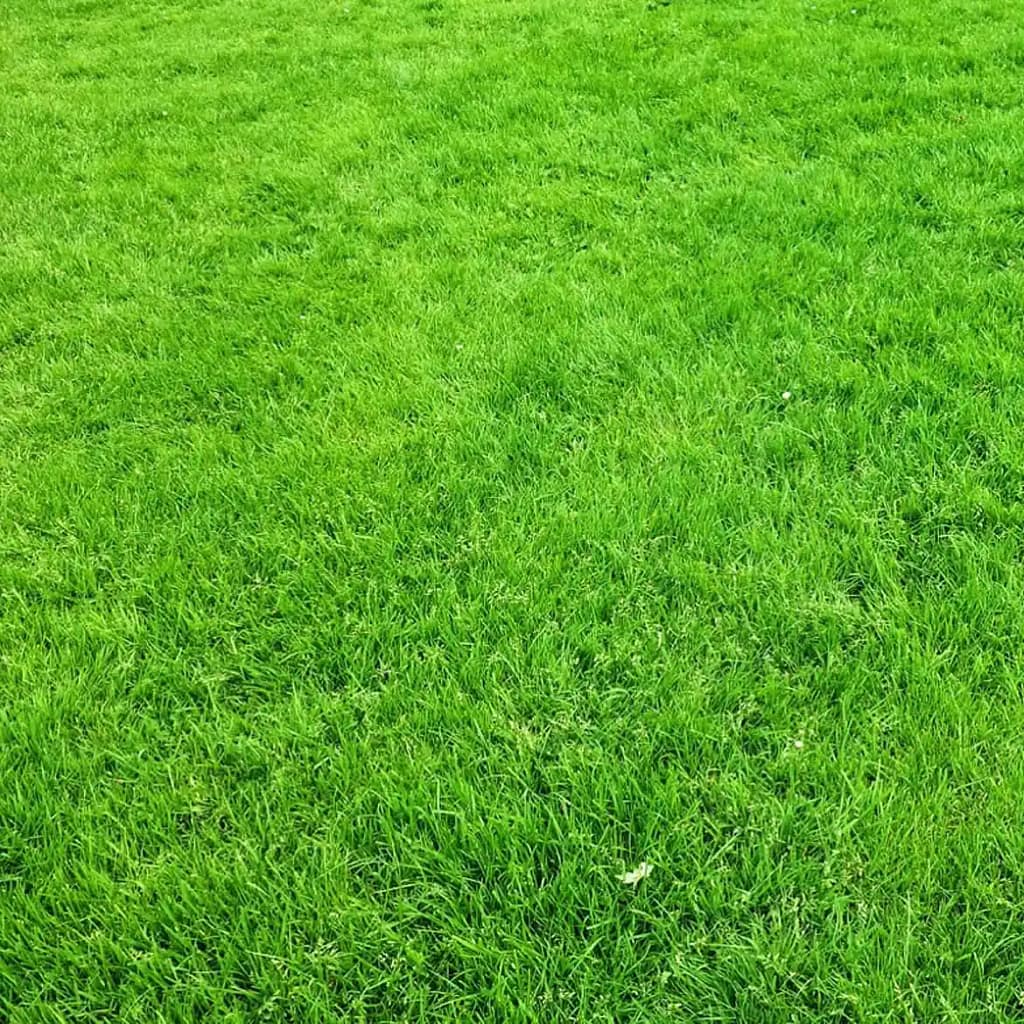
What does new seed actually need to drink? Apply a starter fertilizer with a ratio like 10-20-10 within a day or two of sowing. That higher phosphorus number pushes root development before anything else does. When you learn how to plant grass seed on hard dirt., the watering schedule matters just as much as the soil prep: run your sprinkler two or three times daily in fine-mist sessions, keeping the top inch moist without letting any puddles sit.
Thin. That is what your seedlings look like at first, and that is fine. Once blades hit 1 inch tall, taper down to once-daily watering instead of chasing moisture all day. Anyone seeding through a hot July in zone 8 or hotter will need to check that top inch more often, since baked ground drinks fast and dries even faster.
Mistakes That Kill Grass Seed on Hard Dirt

Skip loosening the soil and you get near-zero germination. Seed just sits on top of unbroken hard dirt, exposed to sun, wind, and birds. I made this mistake once on a bald strip along my driveway. Since seed needs direct contact with soil particles to pull in moisture, no contact means no seedling.
Soil temperature is the second killer, and most people check the air forecast instead. Cool-season grasses such as tall fescue and Kentucky bluegrass need soil at 50 to 65 degrees Fahrenheit. Warm-season grasses such as hulled Bermuda need soil above 65 degrees. Sow cool-season seed in August heat and the results are near-zero, because the soil simply stays too warm.
Moisture is the third failure point. Once germination starts, the top inch must stay consistently damp until seedlings reach about 1 inch tall. Let it dry out even once and those tiny seedlings die. Overwatering is also a problem, since puddling causes surface crusting and a fungal disease called damping-off.
Anyone learning how to plant grass seed on hard dirt. will hit at least one of these three mistakes on a first attempt. First, loosen the soil 3 to 6 inches deep before sowing anything. Next, use a soil thermometer and wait for the right window.
Good To Know
- Seed buried deeper than ½ inch will not emerge. Rake lightly after sowing. Keep seed at the surface.
- Use a soil thermometer, not a calendar. Cool-season grasses need 50 to 65°F soil, while warm-season grasses need 65 to 80°F before germination starts.
- Water in short sessions two or three times daily. Stop before puddles form. Puddles crust the surface.
- Damping-off is a fungal disease. It kills seedlings at the soil line. Overwatering is the main cause.
- Till or core aerate before sowing. Hollow-tine aeration pulls plugs roughly 1 inch wide and 3 inches deep.
- Once seedlings hit 1 inch tall, taper watering to once daily. I usually transition to deeper, less-frequent sessions around week three, once the roots have something to chase downward.
Final Thoughts
Learning how to plant grass seed on hard dirt. takes patience, but results show up fast once you loosen the soil. Breaking up compaction is the single step most people skip, and skipping it wastes every seed you sow. Start with just one change, such as core aeration, before you buy a single bag of seed.


