


When does grass stop growing . is a question most people ask in late autumn, usually after a mow that felt pointless. Soil temperature is the real trigger, not the air temp reading on your phone. Once soil dips below 40°F, cool-season grasses stop shooting.
Lots of gardeners miss the window. When does grass stop growing . matters because the steps you take right before dormancy protect your lawn all winter. This post covers the soil temperature thresholds for both cool-season and warm-season grasses, the right final mow heights, and the one fertilizer timing mistake that costs people every November.
When does grass stop growing . The Soil Temperature Truth

Most gardeners watch the air temperature. But soil temperature is the real trigger for dormancy, not what the thermometer on your porch reads. Air and soil temps can differ by 10 to 20 degrees, especially in early spring. When does grass stop growing .
Push a soil thermometer about 4 inches deep and read it in the morning before the sun warms the surface. For cool-season grasses like Kentucky bluegrass or tall fescue, shoot growth ceases once soil hits 40°F. Root growth in those same species keeps going until soil drops to 33°F, so the roots outlast the blades. A basic soil thermometer runs about $10 and gives you the number you actually need.
✨ Garden Tip: Take readings on three or four consecutive mornings. One cold night skews the number, but a trend tells you the truth.
Dormant or Dead: Diagnose the Difference
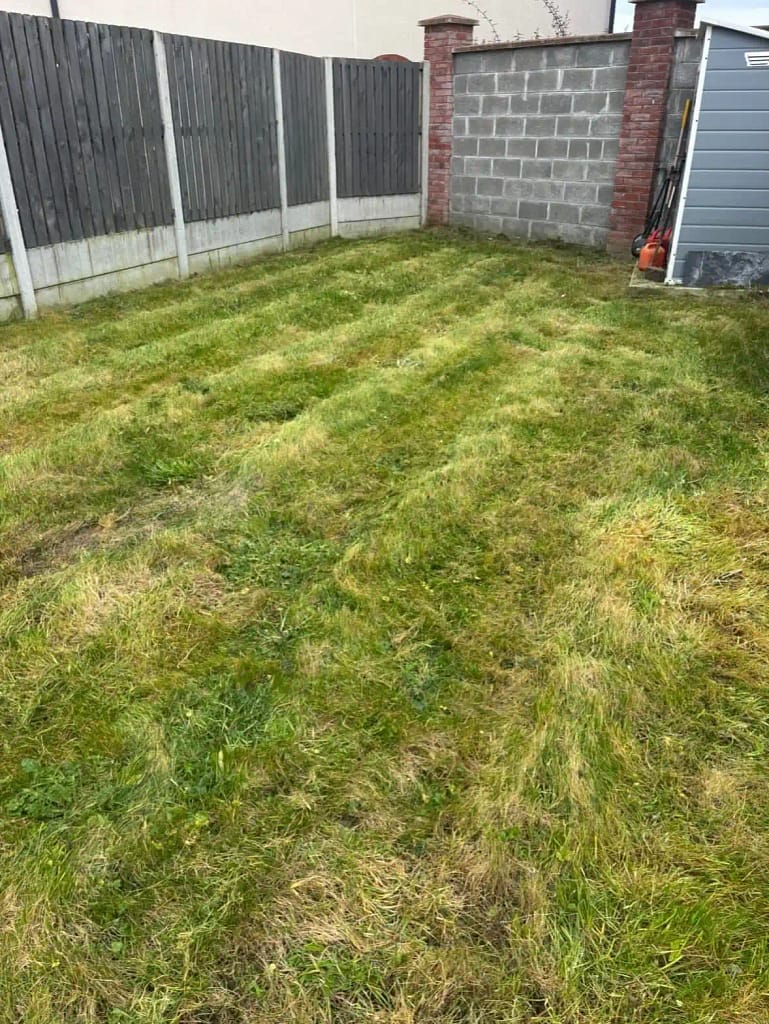
Is your grass just sitting there, not growing, but still green? That is one of the most confusing things a lawn does. When does grass stop growing . often has a simple seasonal answer, but a mid-season stall usually points to something else entirely.
Cool-season grasses stop shoot growth above 90°F soil. So a brutal July can halt tall fescue (Festuca arundinacea) even while it still holds color. Secondary causes such as soil compaction, unbalanced pH below 6.0 or above 7.0, nitrogen deficiency, or a pest infestation can also stall growth fast. Since each cause needs a different fix, push a soil thermometer 4 inches deep first, then test your pH before you reach for fertilizer.
How to Read Soil Temp and Time Your Final Mows
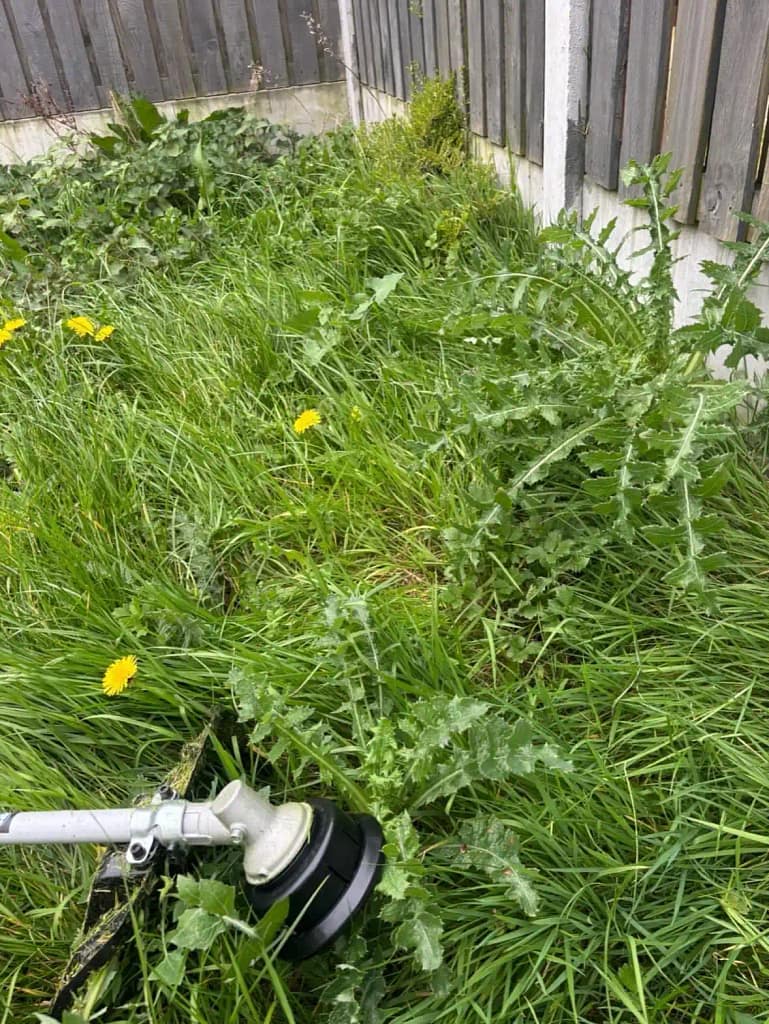
Push your soil thermometer exactly 4 inches into the ground. Read it in the morning, before the sun warms the surface, over several consecutive days to catch a real trend. When does grass stop growing . comes down to that number, not what the air feels like outside.
5 to 3 inches. Done. 5 to 2 inches, since they harden into dormancy rather than carrying green tissue through cold. If you skip the height adjustment, the grass either rots under snow or starves going into a freeze with nothing left to draw on.
Never cut more than one-third of the blade at once. That rule matters most in the final two mows of the season, when the plant needs every bit of leaf surface it can hold. Drop your deck by half an inch on the second-to-last mow, then another half inch for the last one. Small steps.
Soil temperature drops slowly in fall because soil holds heat longer than air does. So the mowing window often stretches a week or two past what the forecast suggests. Still, once your morning readings sit below 50°F for cool-season grass, stop. Cutting stressed, near-dormant grass does more harm than leaving it alone until spring.
Watering Notes
- Cool-season lawns need about 1 inch of water per week until the grass goes fully dormant; taper off as morning soil readings drop below 50°F.
- Warm-season grasses like Zoysia japonica do well on 0.5 to 1 inch weekly in fall, but cut frequency as October temperatures slide lower.
- During a long dry dormancy, water once a month with enough volume to reach the root zone, roughly 6 to 8 inches down, but skip fertilizer entirely.
- Avoid overwatering in late fall; cool, wet soil in November and December invites fungal problems such as gray snow mold before the ground even freezes.
- After the final mow, do not irrigate right before a hard freeze; wet grass crowns freeze faster and suffer more cell damage than dry ones.
- In USDA Zones 9 and 10, where some lawns barely go dormant, keep watering on a reduced schedule through winter rather than stopping altogether.
When does grass stop growing . Use Winterizer Right

Apply winterizer fertilizer near your last mow of the season, before the first hard frost hits. When does grass stop growing . is exactly the right question to ask before you buy a bag. The lawn should stay bright green.
Potassium is the nutrient that carries your lawn through winter, not nitrogen. Look for an NPK formula around 10-0-20 or something close to that ratio. I grabbed a 12-0-22 one October and the lawn came back noticeably thicker the next April. Skip a high-nitrogen winterizer, because it pushes soft top growth right before a freeze.
Warm-season grasses like Bermuda (Cynodon dactylon) or Zoysia (Zoysia japonica) mostly skip winterizer. Done. They go dormant earlier and simply do not need the push. Finish all nitrogen applications on warm-season lawns by mid-to-late August, so the grass can harden off before cold arrives.
Cool-season grasses such as tall fescue (Festuca arundinacea) or Kentucky bluegrass (Poa pratensis) do benefit from a fall potassium feed. Apply in October or November, while soil temps still sit above 40°F. Once soil drops below that mark, roots stop absorbing much. Miss the window and the fertilizer just sits there until spring.
Common Mistake
- Applying winterizer while the lawn still grows fast pushes top growth instead of root hardening; wait until growth visibly slows.
- A formula high in nitrogen in October risks soft, frost-vulnerable blades on cool-season lawns.
- Feeding Bermuda or Zoysia with winterizer after August can delay dormancy and leave grass exposed to early cold damage.
- Skipping a soil thermometer is a real mistake; once soil reads below 40°F consistently, root uptake shuts down and the application is wasted.
- For cool-season lawns, target the application roughly one to two weeks before your expected first frost date for your USDA zone.
- If the grass has already gone tan or straw-colored, put the spreader away and wait until spring green-up resumes.
Watering Dormant Grass Without Overdoing It
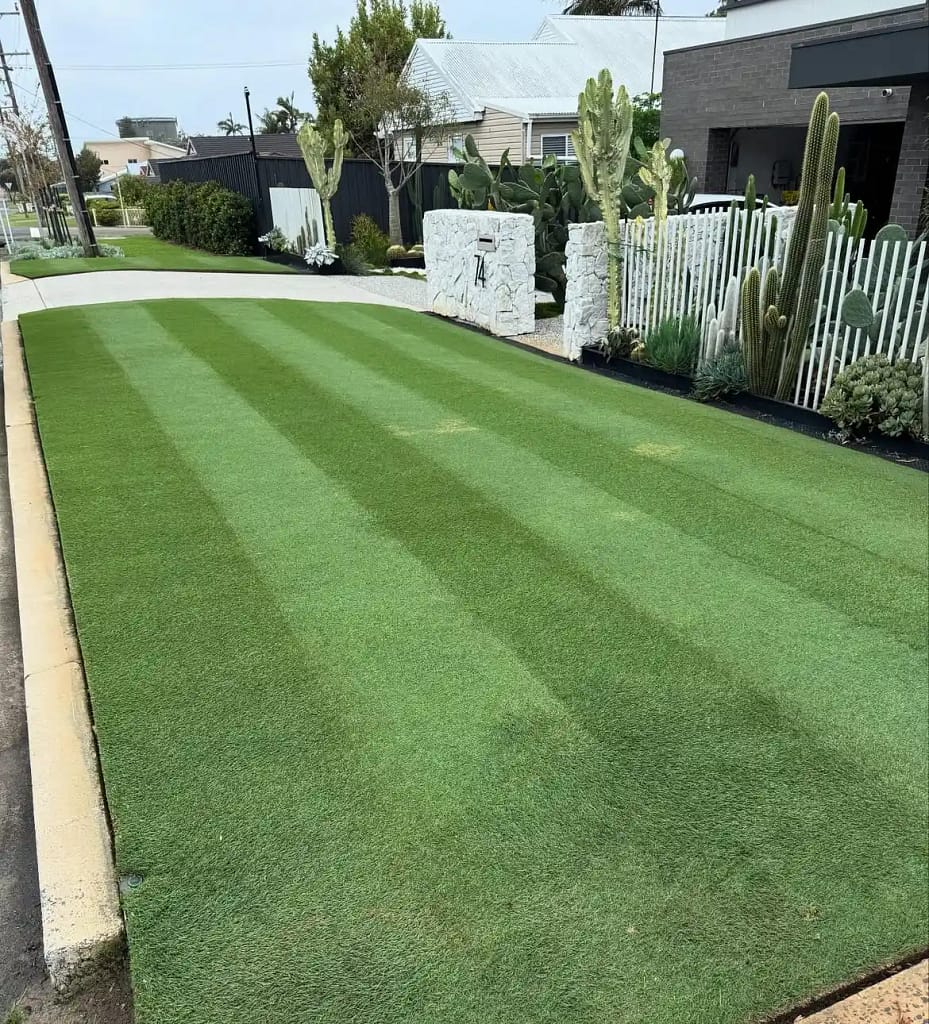
I made the mistake of cutting water too early one October. My tall fescue went into dormancy looking stressed, not rested, and I spent the whole winter second-guessing myself. When does grass stop growing . is also the question that tells you when to ease off watering. I learned that ‘dormant’ does not mean ‘done drinking.’
Cool-season grasses want one inch of water weekly until dormancy fully sets in. Stop only once soil temperatures drop below 40°F and new growth has clearly halted. Warm-season grasses such as Bermuda or Zoysia need 0.5 to 1 inch weekly, but taper that off as autumn temperatures fall. Once dormancy locks in, water about once a month, since dry dormancy pulls moisture from roots and sets the lawn back hard by spring.
Regional Timing and Three Winter Mistakes
When does grass stop growing . depends heavily on where you live. Cool-season lawns in Ohio can need mowing into early November, while warm-season grasses in USDA Zones 7 and 8 typically see their final mow in early-to-mid November. Zones 9 and 10 push that date to late November or even December.
Three mistakes trip up a lot of gardeners each fall. First, applying winterizer fertilizer while grass still grows fast pushes top growth instead of root development. Second, cutting too short strips the crown of energy reserves, but leaving blades past 3 inches on cool-season grass invites fungal trouble over winter. Third, fertilizing by appearance fools people, since a lawn can look green while its growth rate has already slowed and the safe nitrogen window has closed.
Final Thoughts
When does grass stop growing . depends on your climate, your grass type, and how closely you watch the soil. Soil temperature is the number that matters most, so bookmark this post before autumn sneaks up on you. Leave a comment below telling me what zone you garden in and when your lawn goes quiet.


